Foot Arthritis
Foot osteoarthritis is a progressive wearing of the joint cartilage that causes pain and stiffness. A custom foot orthotic protects the joints, reduces pain and maintains your mobility.
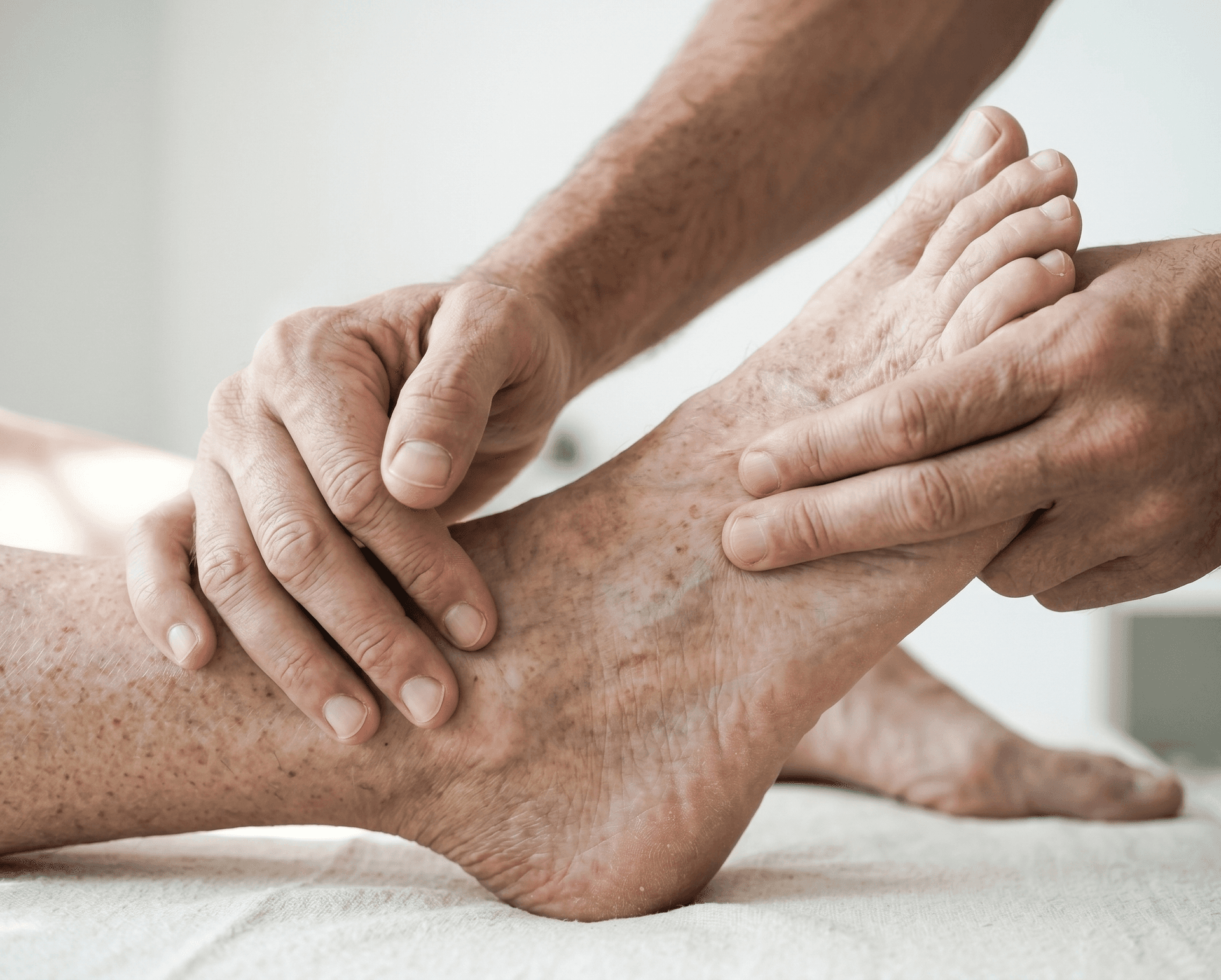
What is foot osteoarthritis?
Osteoarthritis, also called osteoarthrosis, is the most common form of joint disease. It is characterised by the progressive degradation of the cartilage that covers the joint surfaces. Healthy cartilage allows the bones to glide over each other without friction. When it wears down, the bones come into direct contact, causing pain, inflammation and the formation of osteophytes (bony growths).
The foot has 33 joints, which makes it particularly vulnerable to osteoarthritis. The most commonly affected joints are the metatarsophalangeal joint of the big toe (hallux rigidus), the midfoot joints (tarsometatarsals) and the subtalar joint (between the talus and the calcaneus).
Foot osteoarthritis is a chronic and progressive condition, but its progression can be significantly slowed by appropriate treatment. Custom foot orthotics play a central role in managing this condition by reducing the mechanical stresses on the affected joints.
Foot osteoarthritis affects approximately 16% of the population over 50. Its prevalence increases with age, and women are slightly more affected than men.
Causes of foot osteoarthritis
- Aging: the natural wear of cartilage with age is the main risk factor. Cartilage progressively loses its ability to regenerate.
- Previous trauma: joint fractures, severe sprains and foot dislocations damage cartilage and accelerate the development of osteoarthritis (post-traumatic osteoarthritis).
- Biomechanical abnormalities: flat feet, high arches, hallux valgus and other deformities alter the distribution of loads on the joints and accelerate cartilage wear.
- Excess weight: each extra kilogram increases the load on the foot joints by 3 to 5 times during walking.
- Genetic factors: the predisposition to osteoarthritis can be hereditary, affecting cartilage quality and joint shape.
- Occupational or sports overload: repetitive activities involving long hours standing or impacts on the foot accelerate joint wear.
Symptoms of foot osteoarthritis
- Joint pain: pain localised in the affected joint, worsened by walking and weight-bearing, relieved by rest.
- Stiffness: progressive reduction in the joint's range of motion, especially in the morning or after a period of immobility.
- Swelling: swelling around the affected joint, especially after prolonged activity.
- Crepitus: creaking or grinding sensation when moving the joint.
- Bony growths: formation of hard bumps (osteophytes) around the affected joint.
- Difficulty walking: altered gait to avoid pain, potentially leading to compensations and secondary pain.
Treatment of foot osteoarthritis with foot orthotics
Custom foot orthotics are essential in managing foot osteoarthritis:
- Limitation of joint movement: the orthotic can integrate rigid elements that limit the movement of painful joints, reducing irritation of the remaining cartilage.
- Pressure redistribution: by distributing forces optimally under the foot, the orthotic reduces overload on the affected joints.
- Stabilisation: the orthotic improves foot stability and reduces compensatory movements that overload other joints.
- Cushioning: absorbent materials protect the joints from impacts and reduce pain when walking.
Treatment can be complemented by rigid-sole shoes with a rocker sole that facilitates walking by limiting flexion of the painful foot joints.
When to consult an orthotist?
Consult an orthotist if:
- You feel persistent joint pain in the foot
- Your foot joints become stiff and lose mobility
- You notice bony bumps around your joints
- Pain prevents you from walking or standing
- You have received a diagnosis of foot osteoarthritis
Our orthotists are members of the OTPQ and AOPQ. Early orthotic treatment can slow the progression of osteoarthritis and preserve your quality of life.
Protect your joints
Book an appointment with a orthotist for a comprehensive evaluation and custom orthotics.
Frequently asked questions about foot arthritis
What is foot osteoarthritis?
Foot osteoarthritis is a progressive degeneration of the cartilage in the foot's joints. It causes pain, stiffness and reduced mobility, especially in the big toe (hallux rigidus), the midfoot and the ankle.
Can foot orthotics treat osteoarthritis?
Orthotics do not cure osteoarthritis, but they significantly reduce pain by limiting movement of the affected joints, redistributing pressure and improving foot biomechanics to protect the remaining cartilage.
What is the difference between osteoarthritis and arthritis?
Osteoarthritis is a mechanical wearing of cartilage linked to aging and overload. Arthritis is joint inflammation which can be caused by the immune system (rheumatoid arthritis) or infection. Both can benefit from orthotics.
Does foot osteoarthritis affect young people?
Osteoarthritis is more common after 50, but it can affect younger people following trauma (joint fracture), severe biomechanical anomaly or chronic overload related to sport or work.
Is physical activity recommended with foot osteoarthritis?
Yes, moderate physical activity is beneficial. Low-impact exercises like walking, cycling and swimming maintain mobility and strengthen stabilizing muscles. Foot orthotics let you practise these activities with less pain.
Is foot osteoarthritis covered by RAMQ?
Foot orthotics prescribed for foot osteoarthritis are covered by RAMQ for eligible individuals, as well as by CNESST if the osteoarthritis results from a workplace accident. Private insurance generally covers this condition.